Coming Soon! Our Practice Officially Opens November 11th.

Why Do I Keep Getting Blisters on My Feet?

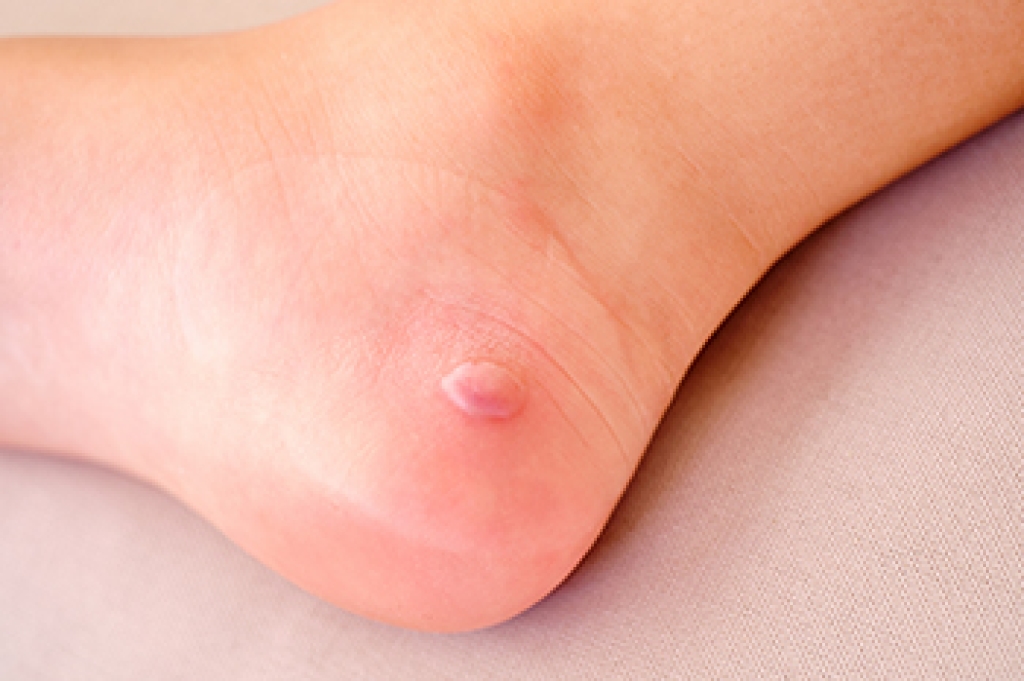
Foot blisters are fluid-filled pockets that form under the skin and can make every step uncomfortable. Friction is a frequent cause, especially when shoes are too tight or rub the same area repeatedly. The clear liquid inside most blisters is called serum, which comes from nearby tissues after the skin is injured. Blood blisters contain blood instead. Friction blisters are usually painful and can interfere with walking, exercise, or work. Although many blisters result from burns, allergies and infections can also cause blistering on the skin.

The appearance and symptoms of a blister can offer clues about its cause. Most blisters are round or oval and contain fluid beneath the skin. Some are painful, while others can itch or cause little discomfort. Blisters linked to infection can look different and may occur with other symptoms. Increasing redness, swelling, or worsening pain around a blister can signal infection. Oozing blood or pus is another warning sign. Blisters with an unknown cause or those that are very painful deserve professional evaluation, especially when they keep returning.

A podiatrist can examine foot blisters to determine what is causing them and whether infection is present. The evaluation can also identify pressure points and areas where shoes are rubbing the skin. For a large or painful blister, a podiatrist can drain it safely and protect the area from infection. A podiatrist can also recommend shoe changes or padding to reduce repeated friction and pressure. Patients with recurring blisters can benefit from an evaluation of foot structure and how their shoes fit. Addressing the source of repeated rubbing can help protect vulnerable areas of skin. If you have symptoms of blisters, it is suggested that you schedule an appointment with a podiatrist for diagnosis and treatment.

Blisters are prone to making everyday activities extremely uncomfortable. If your feet are hurting, contact Sam Price, DPM of Transcend Foot & Ankle. our doctor can provide the care you need to keep you pain-free and on your feet.

Foot Blisters

Foot blisters develop as a result of constantly wearing tight or ill-fitting footwear. This happens due to the constant rubbing from the shoe, which can often lead to pain.

What Are Foot Blisters?

A foot blister is a small fluid-filled pocket that forms on the upper-most layer of the skin. Blisters are filled with clear fluid and can lead to blood drainage or pus if the area becomes infected.

How Do Blisters Form?

Blisters on the feet are often the result of constant friction of skin and material, usually by shoe rubbing. Walking in sandals, boots, or shoes that don’t fit properly for long periods of time can result in a blister. Having consistent foot moisture and humidity can easily lead to blister formation.

Prevention & Treatment

It is important to properly care for the affected area in order to prevent infection and ease the pain. Do not lance the blister and use a Band-Aid to provide pain relief. Also, be sure to keep your feet dry and wear proper fitting shoes. If you see blood or pus in a blister, seek assistance from a podiatrist.

If you have any questions, please feel free to contact our office located in Boone, NC . We offer the newest diagnostic and treatment technologies for all your foot care needs.
Read more about Blisters

Peripheral Artery Disease Affecting the Feet

Some diseases that affect the entire body can also produce noticeable problems in the feet. Peripheral artery disease, or PAD, is one example. PAD develops when atherosclerosis causes arteries in the legs to become narrowed. Atherosclerosis is the buildup of fatty material called plaque inside artery walls. As the arteries narrow, less blood can reach the lower legs and feet. Some people with PAD have no noticeable symptoms, while others experience discomfort when walking. Because the feet are far from the heart, circulation problems can become especially noticeable in this area of the body.


Foot-related signs of peripheral artery disease can become more serious as blood flow decreases. The feet may feel cool, while the skin can become thin or pale. Hair loss may also occur on the lower legs and feet. Some people develop aching or burning pain even while resting. More advanced PAD can lead to painful sores on the toes or heels that may have difficulty healing. Severe loss of circulation can eventually damage tissue. PAD is considered a systemic disorder because atherosclerosis may affect arteries elsewhere in the body as well. Diabetes, high blood pressure, and increasing age are among the factors associated with greater PAD risk.


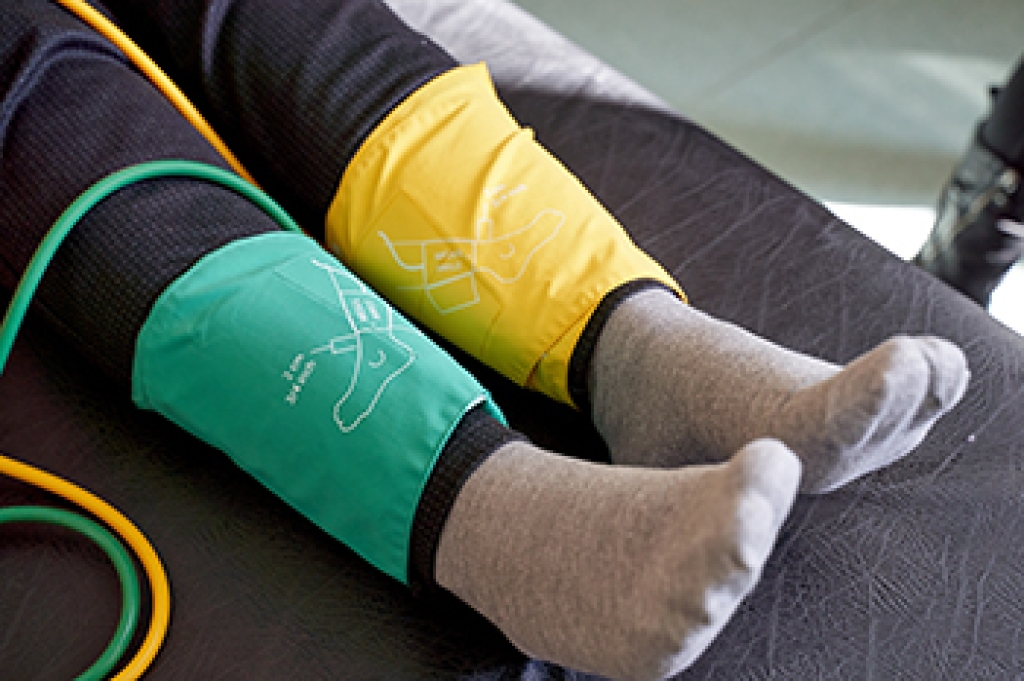
A podiatrist can play an important role in recognizing changes in the feet that may indicate poor circulation. A foot examination can identify skin changes, sores, or abnormal pulses that may require further medical evaluation. Testing may also be needed to determine how well blood is reaching the lower extremities. Because reduced circulation can interfere with healing, professional foot care is particularly important when wounds or other skin problems develop. A podiatrist can provide appropriate foot care while coordinating with other medical professionals when necessary. If you notice persistent foot pain, skin changes, or slow-healing sores, it is suggested that you consult a podiatrist for an evaluation and appropriate treatment options.

When dealing with systemic disease of the feet, it is extremely important to check the affected areas routinely so that any additional problems are caught quickly.  If you have any concerns about your feet and ankles contact Sam Price, DPM from Transcend Foot & Ankle. our doctor will assist you with all of your podiatric needs.

Systemic Diseases of the Feet

Systemic diseases affect the whole body, and symptoms usually are displayed in the feet. This condition can make a patient’s ability to walk unbearable.  Systemic diseases include gout, diabetes mellitus, neurological disorders, and arthritis.

Gout – is caused by an excess of uric acid in the body. Common symptoms include pain, inflammation, and redness at the metatarsal/phalangeal joint of the base big toe. Gout can be treated by NSAIDs to relieve pain and inflammation, and other drugs that lower the acid levels in the body.

Diabetes mellitus – is an increase in the level of blood sugar that the body cannot counteract with its own insulin. Failure to produce enough insulin is a factor in Diabetes.

Diabetes of the Feet

Diabetic Neuropathy – may lead to damaged nerves and affect the feet through numbness and loss of sensation.

Peripheral Vascular Disease – can restrict the blood flow to the feet, and often times lead to amputation of the feet. 

If you have any questions please contact our office located in Boone, NC . We offer the newest diagnostic and treatment technologies for all your foot and ankle needs.

Read more about Systemic Diseases of the Foot

Foot Complications From Diabetes

Diabetes can affect the feet in serious ways, especially when high blood sugar damages nerves and blood vessels. Nerve damage, called peripheral neuropathy, can cause numbness, tingling, or burning. A patient may not feel a blister, cut, or pressure from a shoe. Reduced circulation can also limit the oxygen and nutrients that reach injured tissue. Changes in skin color, temperature, or sensation may indicate an ulcer forming.

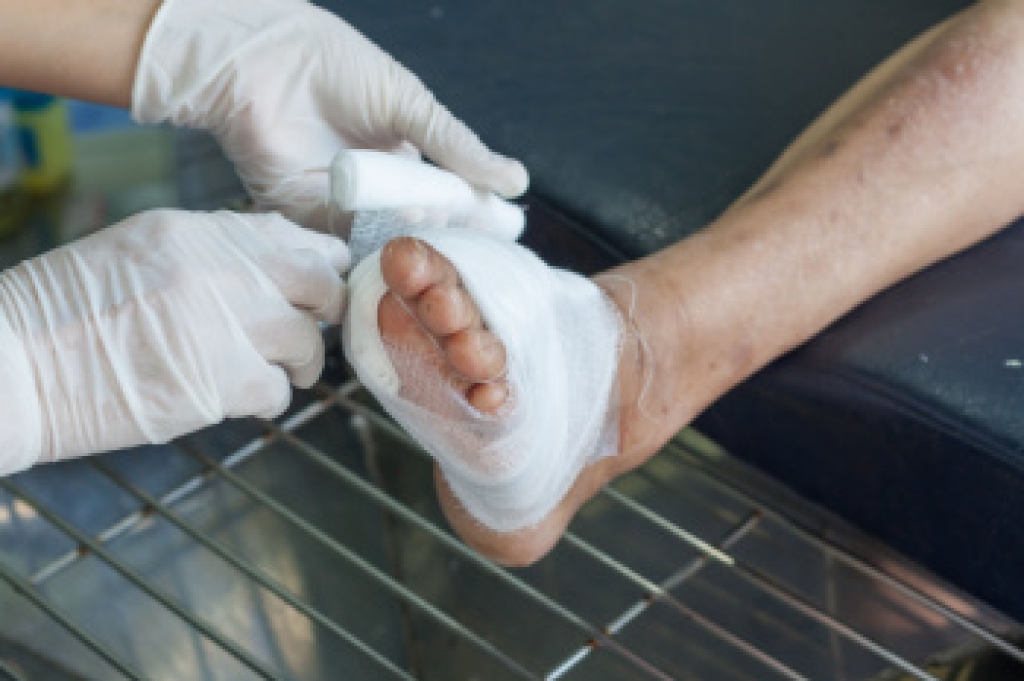
Diabetic foot ulcers are open sores that can develop when repeated pressure damages the skin. A callus can hide injured tissue beneath it, while reduced feeling allows the pressure to continue unnoticed. Hammertoes and other changes in foot shape can create additional pressure points. Shoes that fit poorly can add rubbing or crowd the toes. Without prompt care, an ulcer can deepen and infection can spread. Severe infection can threaten the foot and raise the risk of limb loss. Patients should contact a podiatrist promptly when they notice drainage, redness, or an open sore.

A podiatrist can identify problems early and create a plan based on the patient’s circulation, sensation, and foot structure. An examination includes checking the skin, testing nerve function, and feeling pulses in the feet. The podiatrist can safely manage thick nails or calluses that could injure nearby skin. For an ulcer, care includes cleaning the wound and removing unhealthy tissue. The podiatrist can also reduce pressure with padding, custom orthotics, or special shoes. When infection or poor circulation is suspected, further testing and coordinated medical care can protect the foot. Regular podiatry visits are especially important for patients with past ulcers, reduced feeling, or changes in foot shape. Early treatment can promote healing, prevent new wounds, and lower the chance of serious complications. If you are experiencing foot complications from diabetes, it is suggested that you are under the care of a podiatrist who can help you to manage this serious condition. 

Diabetic foot care is important in preventing foot ailments such as ulcers. If you are suffering from diabetes or have any other concerns about your feet, contact Sam Price, DPM from Transcend Foot & Ankle. our doctor can provide the care you need to keep you pain-free and on your feet.

Diabetic Foot Care

Diabetes affects millions of people every year. The condition can damage blood vessels in many parts of the body, especially the feet. Because of this, taking care of your feet is essential if you have diabetes, and having a podiatrist help monitor your foot health is highly recommended.

The Importance of Caring for Your Feet

  • Routinely inspect your feet for bruises or sores.
  • Wear socks that fit your feet comfortably.
  • Wear comfortable shoes that provide adequate support.

Patients with diabetes should have their doctor monitor their blood levels, as blood sugar levels play such a huge role in diabetic care. Monitoring these levels on a regular basis is highly advised.

It is always best to inform your healthcare professional of any concerns you may have regarding your feet, especially for diabetic patients. Early treatment and routine foot examinations are keys to maintaining proper health, especially because severe complications can arise if proper treatment is not applied.

If you have any questions, please feel free to contact our office located in Boone, NC . We offer the newest diagnostic and treatment technologies for all your foot care needs.

Read more about Diabetic Foot Conditions
scroll to top