
Coming Soon! Our Practice Officially Opens November 11th.

Getting the Right Diagnosis and Treatment for Heel Pain

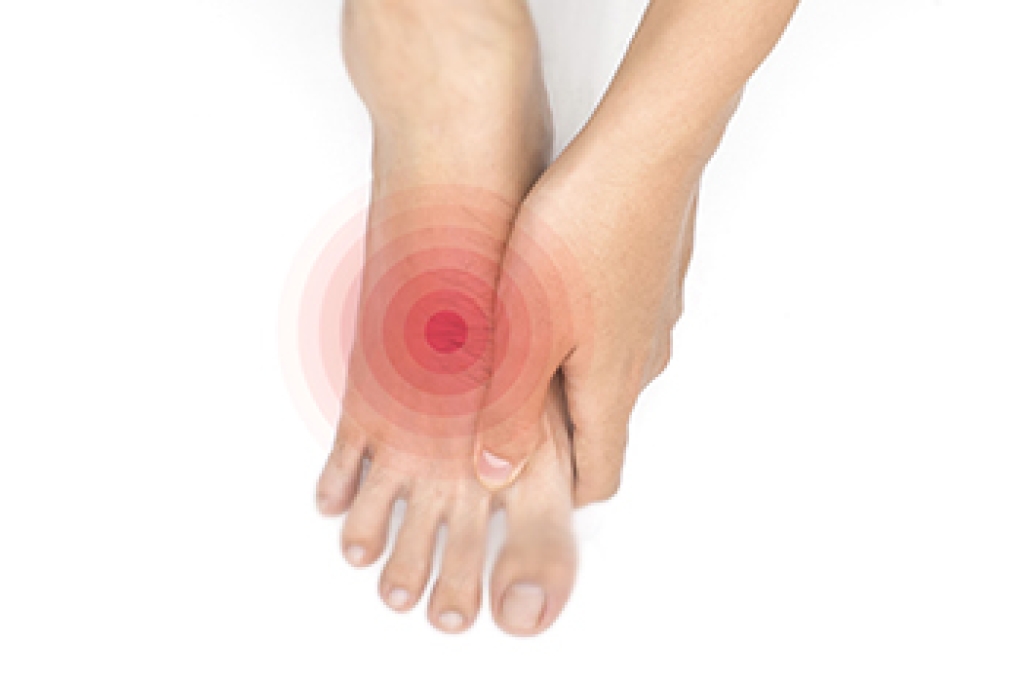
Heel pain can make it difficult to stay active and enjoy everyday activities. The discomfort can develop gradually or begin after an injury. Pain is often felt on the bottom or back of the heel and can become worse with the first few steps after getting out of bed or after sitting for a long time. Several conditions can cause heel pain, including plantar fasciitis, Achilles tendon injuries, and heel bursitis. Bursitis is inflammation of a fluid-filled sac that cushions joints and tendons. Standing for long periods, repeated stress, and wearing shoes that lack proper support also can increase pressure on the heel. Identifying the exact cause of the pain is important because different conditions require different treatments.

A podiatrist performs a detailed examination to determine why the heel hurts and how the condition affects foot function. The evaluation includes checking the heel for tenderness, swelling, and range of motion. The podiatrist also examines the foot's structure and observes how the patient stands and walks because changes in movement can increase stress on the heel. Imaging tests, like X-rays or ultrasound, provide additional information when a fracture, tendon injury, or another condition is suspected. Ultrasound uses sound waves to create images of soft tissues, including tendons and ligaments. An accurate diagnosis allows the podiatrist to develop a treatment plan that matches the patient's condition and activity level.

Treatment focuses on relieving pain while improving foot function and reducing stress on the heel. A podiatrist can recommend custom orthotics to improve foot alignment and distribute pressure more evenly across the foot. Care also includes guided stretching and strengthening exercises that improve flexibility and support the muscles and tendons of the foot and ankle. The podiatrist can recommend shoes that fit properly and provide good support to reduce strain while walking. Patients with severe heel pain that does not improve with conservative treatment can benefit from surgery in selected cases. If you have symptoms of heel pain, it is suggested that you schedule an appointment with a podiatrist for diagnosis and treatment.

Many people suffer from bouts of heel pain. For more information, contact Sam Price, DPM of Transcend Foot & Ankle. our doctor can provide the care you need to keep you pain-free and on your feet.

Causes of Heel Pain

Heel pain is often associated with plantar fasciitis. The plantar fascia is a band of tissues that extends along the bottom of the foot. A rip or tear in this ligament can cause inflammation of the tissue.

Achilles tendonitis is another cause of heel pain. Inflammation of the Achilles tendon will cause pain from fractures and muscle tearing. Lack of flexibility is also another symptom.

Heel spurs are another cause of pain. When the tissues of the plantar fascia undergo a great deal of stress, it can lead to ligament separation from the heel bone, causing heel spurs.

Why Might Heel Pain Occur?

  • Wearing ill-fitting shoes                
  • Wearing non-supportive shoes
  • Weight change           
  • Excessive running

Treatments

Heel pain should be treated as soon as possible for immediate results. Keeping your feet in a stress-free environment will help. If you suffer from Achilles tendonitis or plantar fasciitis, applying ice will reduce the swelling. Stretching before an exercise like running will help the muscles. Using all these tips will help make heel pain a condition of the past.

If you have any questions, please feel free to contact our office located in Boone, NC . We offer the newest diagnostic and treatment technologies for all your foot care needs.

Read more about Heel Pain

Diabetic Neuropathy and How Laser Therapy Supports Nerve Health

Diabetic neuropathy is a nerve-related condition caused by prolonged high blood sugar levels that damage peripheral nerves, especially in the feet. This condition often develops gradually and can affect sensation, balance, and overall foot function. Reduced blood flow and metabolic changes contribute to nerve injury, making early detection important for preventing complications.

Common symptoms include tingling, burning, numbness, and sharp pain in the feet. Some individuals report weakness or a heavy feeling that affects walking. Loss of sensation is a serious concern, because it increases the risk of unnoticed injuries. Skin changes, temperature sensitivity, and delayed healing may also be present. These symptoms can vary in intensity and often worsen over time without proper care.


Risk factors include long-term diabetes, poor blood sugar control, and a sedentary lifestyle. Smoking and vascular disease can further reduce circulation, increasing nerve damage. The underlying cause involves both metabolic and vascular changes that impair nerve function. Over time, nerves lose their ability to send signals effectively, leading to the symptoms associated with neuropathy.


Low-level laser therapy is a non-invasive treatment that uses specific wavelengths of light to stimulate cellular repair and improve circulation. This therapy may help reduce pain, support nerve regeneration, and enhance tissue healing. Improved blood flow delivers oxygen and nutrients that are essential for nerve health. Combined with proper foot care and glucose management, it can play a supportive role in treatment. If you are experiencing neuropathy from diabetes, it is suggested that you are under the care of a podiatrist who can discuss the benefits of this type of therapy with you.

Neuropathy

Neuropathy can be a potentially serious condition, especially if it is left undiagnosed. If you have any concerns that you may be experiencing nerve loss in your feet, consult with Sam Price, DPM from Transcend Foot & Ankle. our doctor will assess your condition and provide you with quality foot and ankle treatment for neuropathy.

What Is Neuropathy?

Neuropathy is a condition that leads to damage to the nerves in the body. Peripheral neuropathy, or neuropathy that affects your peripheral nervous system, usually occurs in the feet. Neuropathy can be triggered by a number of different causes. Such causes include diabetes, infections, cancers, disorders, and toxic substances.

Symptoms of Neuropathy Include:

  • Numbness
  • Sensation loss
  • Prickling and tingling sensations
  • Throbbing, freezing, burning pains
  • Muscle weakness

Those with diabetes are at serious risk due to being unable to feel an ulcer on their feet. Diabetics usually also suffer from poor blood circulation. This can lead to the wound not healing, infections occurring, and the limb may have to be amputated.

Treatment

To treat neuropathy in the foot, podiatrists will first diagnose the cause of the neuropathy. Figuring out the underlying cause of the neuropathy will allow the podiatrist to prescribe the best treatment, whether it be caused by diabetes, toxic substance exposure, infection, etc. If the nerve has not died, then it’s possible that sensation may be able to return to the foot.

Pain medication may be issued for pain. Electrical nerve stimulation can be used to stimulate nerves. If the neuropathy is caused from pressure on the nerves, then surgery may be necessary.

If you have any questions, please feel free to contact our office located in Boone, NC . We offer the newest diagnostic and treatment technologies for all your foot care needs.
Read more about Neuropathy

Recovery From Hammertoe and Bunion Surgery

Hammertoe and bunion surgery are common procedures used to correct deformities in the toes and forefoot. A hammertoe occurs when a toe becomes bent at the middle joint. A bunion is a bony prominence that forms at the base of the big toe due to joint misalignment. Surgery is often recommended when pain, stiffness, or difficulty wearing shoes are caused by these deformities. Recovery is an essential part of the process and requires careful attention to protect the surgical site and promote proper healing.

After surgery, symptoms such as swelling, discomfort, and limited mobility are expected during the early stages of recovery. The foot may appear red or tender, and walking may be restricted depending on the procedure performed. Controlling swelling is a key focus, as excessive inflammation can delay healing. Elevating the foot and following post-operative instructions can help manage these symptoms. It is also important to monitor for signs of infection, including increased redness or drainage, and report concerns promptly.


Risk factors that may affect recovery include poor circulation, underlying health conditions, and not following care guidelines. One of the most important steps is keeping the foot clean and dry. Avoiding moisture helps prevent infection and protects surgical dressings. Patients are often advised to avoid getting their feet wet until cleared by their provider. Wearing proper shoes that provide support and limit pressure on the surgical area is also critical. Ill-fitting footwear can disrupt healing and cause unnecessary strain.


Successful recovery depends on a combination of rest, proper hygiene, and gradual return to activity. Following medical guidance ensures that the corrected alignment is maintained and complications are minimized. Rehabilitation may include gentle movement and supportive devices as healing progresses. If you have had hammertoe or bunion surgery, it is suggested you consult with your podiatrist for additional recovery guidance. 

Foot surgery is sometimes necessary to treat a foot ailment. To learn more, contact Sam Price, DPM of Transcend Foot & Ankle. our doctor will assist you with all of your foot and ankle needs.

When Is Surgery Necessary?

Foot and ankle surgery is generally reserved for cases in which less invasive, conservative procedures have failed to alleviate the problem. Some of the cases in which surgery may be necessary include:

  • Removing foot deformities like bunions and bone spurs
  • Severe arthritis that has caused bone issues
  • Cosmetic reconstruction

What Types of Surgery Are There?

The type of surgery you receive will depend on the nature of the problem you have. Some of the possible surgeries include:

  • Bunionectomy for painful bunions
  • Surgical fusion for realignment of bones
  • Neuropathy decompression surgery to treat nerve damage

Benefits of Surgery

Although surgery is usually a last resort, it can provide more complete pain relief compared to non-surgical methods and may allow you to finally resume full activity.

Surgical techniques have also become increasingly sophisticated. Techniques like endoscopic surgery allow for smaller incisions and faster recovery times.

If you have any questions, please feel free to contact our office located in Boone, NC . We offer the newest diagnostic and treatment technologies for all your foot care needs.

Read more about Foot Surgery

Causes and Treatment of Swollen Feet

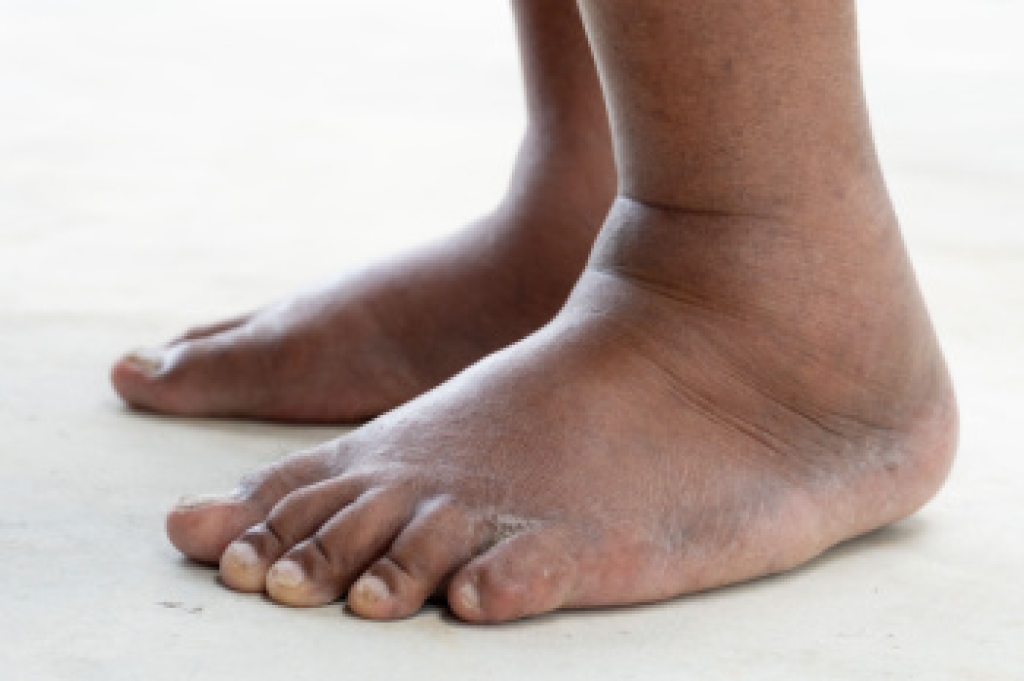
Swelling of the feet happens when extra fluid collects in the tissues, causing the feet to look or feel larger than usual. It may affect one foot or both and can occur suddenly or develop gradually. Swollen feet are sometimes linked to an injury, standing for long periods, or pregnancy. Swelling also may signal a more serious health problem that needs prompt medical attention. Other symptoms include pain, stiffness, and redness. Warmth or difficulty wearing shoes comfortably are other factors. The swollen skin may be tight or shiny, causing reduced flexibility in the feet and ankles. Because swelling has many possible causes, it should not be ignored. A professional evaluation can help determine what is causing the problem and whether additional medical care is needed.

A podiatrist can examine your feet and ankles to identify the source of the swelling. This may include checking the joints, soft tissues, nerves, and circulation for signs of injury or disease. If needed, a podiatrist may recommend imaging studies or work with your primary healthcare provider to help identify the underlying cause. Treatment depends on the diagnosis and may include reducing inflammation, improving circulation, or addressing injuries and other foot conditions. The goal is to reduce pain, improve foot function, and protect long-term foot health. Early care may also help prevent swelling from affecting your balance, mobility, or ability to stay active.

Professional foot care is an important part of treating swollen feet and preventing further problems. A podiatrist can monitor your symptoms, recommend appropriate treatment, and help you return to normal activities as safely as possible. Prompt evaluation may also identify conditions that require additional medical attention before they become more serious. Whether swelling develops after an injury or without a clear cause, early diagnosis can lead to improved comfort and healthier movement for many patients. If you have swollen feet, it is suggested that you consult a podiatrist for an evaluation.

Swollen feet can be a sign of an underlying condition. If you have any concerns, contact Sam Price, DPM of Transcend Foot & Ankle. our doctor can provide the care you need to keep you pain-free and on your feet.

Swollen feet are a common ailment among pregnant women and people who stand or sit for extended periods. Aging may increase the possibility of swollen feet and patients who are obese often notice when their feet are swelling too. There may be medical reasons why swollen feet occur:

  • Phlebitis - A condition that causes the veins to become inflamed and can also cause leg pain.
  • Liver disease - This may lead to low blood levels of albumin which is a protein. This can cause fluid in the blood to pass into the tissues and several areas of the body can become swollen.
  • Heart failure - When the heart doesn’t pump properly the blood that is normally pumped back to the heart can pool in the veins of the legs causing swollen feet.
  • Kidney disease - One of the main functions of the kidneys is releasing excess fluid in the body. This type of condition can make it difficult for the kidneys to function properly, and as a result the feet may become swollen.
  • Deep-vein thrombosis (DVT)- This is a serious condition where blood clots form in the veins of the legs. They can block the return of blood from the legs to the heart which may cause the feet to swell. It is important to be treated by a podiatrist if this condition is present.

Swollen feet can also be caused by bone and tendon conditions, including fractures, arthritis, and tendinitis. Additionally, there may be skin and toenail conditions and an infection may cause the feet to swell. Patients who take medicine to treat high blood pressure may be prone to getting swollen feet. 

Many patients elevate their feet to help relieve the swelling and this is generally a temporary remedy. When a podiatrist is consulted the reason behind the swelling can be uncovered and subsequently treated.

If you have any questions please contact our office located in Boone, NC . We offer the newest diagnostic and treatment technologies for all your foot and ankle needs.

Read more about Swelling of the Feet
scroll to top