Coming Soon! Our Practice Officially Opens November 11th.

Cracked Heels and How to Restore Healthy Skin

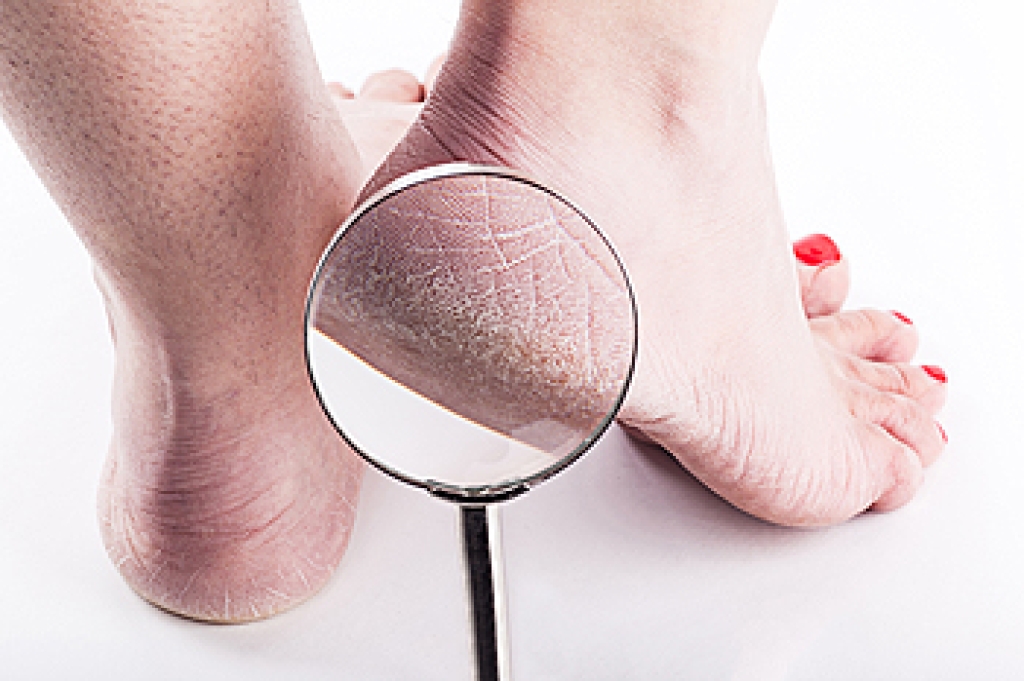
Cracked heels are a widespread foot concern that can affect both comfort and mobility. This condition develops when the skin surrounding the heel becomes excessively dry and loses its ability to stretch under pressure. As a result, the skin thickens and eventually splits, forming visible cracks. While often seen as a cosmetic issue, cracked heels can lead to pain and complications if ignored. Understanding the underlying causes is essential for preventing and managing this condition effectively.

Common symptoms include dry, scaly skin along the heel edges, deep fissures, and discomfort during weight-bearing activities. Some individuals may also notice redness or inflammation around the affected area. Risk factors such as prolonged standing, obesity, and poor footwear choices significantly increase the likelihood of developing cracked heels. Shoes that lack cushioning or support can intensify pressure on the heel, leading to faster skin breakdown. Additionally, individuals with medical conditions like diabetes and eczema may experience more severe symptoms due to compromised skin integrity.


Several contributing factors play a role in the formation of cracked heels. Dry skin is one of the primary causes, often worsened by environmental conditions or inadequate hydration. Continuous standing or walking places repeated stress on the heel, causing the skin to expand and crack. Excess body weight increases this pressure, while poorly designed footwear fails to provide the support needed to protect the heel. Medical conditions such as diabetes can impair circulation and healing, while eczema can weaken the skin barrier, making it more susceptible to fissures.


Managing cracked heels requires a proactive approach that includes both treatment and prevention. Prescription creams designed to hydrate and repair the skin can be extremely effective, especially when used consistently. Special orthotics can help distribute pressure evenly across the foot, reducing stress on the heels. If you have developed painful cracked heels, it is suggested that you consult a podiatrist to receive personalized care and appropriate treatment.

Cracked heels are unsightly and can cause further damage to your shoes and feet. If you have any concerns, contact Sam Price, DPM from Transcend Foot & Ankle. our doctor can provide the care you need to keep you pain-free and on your feet.

Cracked Heels

Cracked heels appear unappealing and can make it harder for you walk around in sandals. Aside from looking unpleasant, cracked heels can also tear stockings, socks, and wear out your shoes. There are several methods to help restore a cracked heel and prevent further damage.

How Do You Get Them?

Dry skin is the number one culprit in creating cracked heels. Many athletes, walkers, joggers, and even swimmers suffer from cracked heels. Age and skin oil production play a role to getting cracked heels as well.

Promote Healing

Over the counter medicines can help, especially for those that need instant relief or who suffer from chronic dry feet.

Wear Socks – Wearing socks with medicated creams helps lock in moisture.

Moisturizers – Applying both day and night will help alleviate dryness which causes cracking.

Pumice Stones – These exfoliate and remove dead skin, which allows for smoother moisturizer application and better absorption into the skin. 

Change in Diet

Eating healthy with a well-balanced diet will give the skin a fresh and radiant look. Your body responds to the kinds of food you ingest. Omega-3 fatty acids and zinc supplements can also revitalize skin tissue.

Most importantly, seek professional help if unsure how to proceed in treating cracked heels. A podiatrist will help you with any questions or information needed. 

If you have any questions, please feel free to contact our office located in Boone, NC . We offer the newest diagnostic and treatment technologies for all your foot care needs.
Read more about Solutions for Cracked Heels

Importance of Diabetic Foot Care

Diabetes can place the feet at risk even before a patient notices a problem. High blood sugar can damage nerves, which can reduce feeling in the toes and soles. It can also narrow blood vessels and limit the oxygen that reaches injured tissue. As a result, a small blister, cut, or pressure spot can go unnoticed and heal poorly. An untreated wound can develop into an ulcer, which is an open sore. Infection can then spread into deeper tissue or bone. In severe cases, these complications can lead to limb loss.

Regular visits to a podiatrist helps find warning signs before they become serious. A podiatrist can inspect the skin, nails, and spaces between the toes. The examination also includes checking blood flow, nerve function, and changes in foot shape. These checks can reveal numbness or pressure points that increase the risk of a wound. A podiatrist can safely trim problem toenails and reduce thick calluses that create pressure. The doctor can also treat ulcers, remove unhealthy tissue, and use dressings to support healing. Signs of poor circulation can lead to further testing or a referral to another specialist.

A podiatrist can recommend properly-fitted shoes, custom orthotics, or protective padding to reduce rubbing and pressure. Patients with a past ulcer, poor circulation, or loss of feeling need closer monitoring. The doctor can set an examination schedule based on a patient’s level of risk. Prompt care is especially important for redness, swelling, or warmth in one foot. Patients should also report drainage, an open sore, or a change in skin color. Fever or increasing pain can signal an infection that requires prompt medical attention. Consistent visits to a podiatrist can protect mobility and help avoid hospital care, serious infection, or loss of limb. If you have foot complications from diabetes, it is suggested that you are under the care of a podiatrist who can help you to manage this serious condition. 

Diabetic foot care is important in preventing foot ailments such as ulcers. If you are suffering from diabetes or have any other concerns about your feet, contact Sam Price, DPM from Transcend Foot & Ankle. our doctor can provide the care you need to keep you pain-free and on your feet.

Diabetic Foot Care

Diabetes affects millions of people every year. The condition can damage blood vessels in many parts of the body, especially the feet. Because of this, taking care of your feet is essential if you have diabetes, and having a podiatrist help monitor your foot health is highly recommended.

The Importance of Caring for Your Feet

  • Routinely inspect your feet for bruises or sores.
  • Wear socks that fit your feet comfortably.
  • Wear comfortable shoes that provide adequate support.

Patients with diabetes should have their doctor monitor their blood levels, as blood sugar levels play such a huge role in diabetic care. Monitoring these levels on a regular basis is highly advised.

It is always best to inform your healthcare professional of any concerns you may have regarding your feet, especially for diabetic patients. Early treatment and routine foot examinations are keys to maintaining proper health, especially because severe complications can arise if proper treatment is not applied.

If you have any questions, please feel free to contact our office located in Boone, NC . We offer the newest diagnostic and treatment technologies for all your foot care needs.
Read more about Diabetic Foot Care

What Causes Pain in the Ball of the Foot?

Pain in the ball of the foot develops when the area behind the toes bears too much pressure. Symptoms include burning, aching, or sharp pain. Tingling or numbness in the toes may also occur. The feeling that a small stone is trapped beneath the foot is common. Discomfort can build gradually and make standing, walking, or exercising difficult. Although the pain occurs in one area, several problems can cause it. A proper diagnosis is important because treatment should address the source of the pressure rather than the discomfort alone.

Possible causes include high-impact sports, excess body weight, and wearing shoes with a narrow toe box. High heels can shift body weight forward and place added stress on the forefoot. Arthritis, diabetes, or changes in foot shape can also contribute to pain. A bunion or hammertoe can alter how weight moves across the foot. Calluses, an irritated nerve, or a stress fracture may produce similar symptoms. Sudden severe pain, swelling, or an inability to bear weight requires prompt medical attention. Patients should also seek care when pain begins without an obvious injury or continues to limit normal activities.

A podiatrist can examine the foot, study how the patient walks, and locate areas of increased pressure. X-rays or other imaging can help identify bone injuries, joint changes, or soft-tissue problems. Based on the findings, treatment options include custom orthotics to improve weight distribution. A podiatrist can also recommend shoes with proper cushioning, support, and enough room for the toes. Padding or off-loading devices can reduce pressure on the painful area. In some cases, an injection can reduce inflammation and provide relief. Regular follow-up visits allow the podiatrist to check progress and adjust the treatment plan, as needed. If you have pain in the ball of the foot, it is suggested that you schedule an appointment with a podiatrist for a diagnosis and appropriate treatment.

Foot Pain

Foot pain can be extremely painful and debilitating. If you have a foot pain, consult with Sam Price, DPM from Transcend Foot & Ankle. our doctor will assess your condition and provide you with quality foot and ankle treatment.

Causes

Foot pain is a very broad condition that could be caused by one or more ailments. The most common include:

  • Bunions
  • Hammertoes
  • Plantar Fasciitis
  • Bone Spurs
  • Corns
  • Tarsal Tunnel Syndrome
  • Ingrown Toenails
  • Arthritis (such as Gout, Rheumatoid, and Osteoarthritis)
  • Flat Feet
  • Injury (from stress fractures, broken toe, foot, ankle, Achilles tendon ruptures, and sprains)
  • And more

Diagnosis

To figure out the cause of foot pain, podiatrists utilize several different methods. This can range from simple visual inspections and sensation tests to X-rays and MRI scans. Prior medical history, family medical history, and any recent physical traumatic events will all be taken into consideration for a proper diagnosis.

Treatment

Treatment depends upon the cause of the foot pain. Whether it is resting, staying off the foot, or having surgery; podiatrists have a number of treatment options available for foot pain.

If you have any questions, please feel free to contact our office located in Boone, NC . We offer the newest diagnostic and treatment technologies for all your foot care needs.

Read more about Foot Pain

Choosing the Best Treadmill Shoes for Comfort

Selecting the right treadmill shoes is essential for maintaining foot health and improving workout performance. Treadmill shoes are designed to support repetitive forward motion while reducing impact on the feet and joints. The definition of a proper treadmill shoe includes features such as a supple midsole cushioning system, low shock absorption, and a generous toe box. These elements work together to provide stability, comfort, and protection during indoor running or walking routines.

Symptoms of wearing improper shoes on a treadmill may include foot pain, blisters, and joint discomfort. Some individuals may experience arch pain or heel soreness due to poor shock absorption. Tight shoes can cause pressure on the toes, while loose shoes may lead to instability and friction. These issues can affect workout consistency and increase the risk of injury. Recognizing these symptoms early can help prevent long-term foot problems.


Risk factors for treadmill related foot pain include improper shoe fitting, worn out footwear, and lack of proper cushioning. Shoes that do not match foot shape or size can lead to uneven weight distribution. A narrow toe box may compress the toes, while insufficient midsole support may fail to absorb repeated impact. These factors highlight the importance of selecting shoes designed specifically for treadmill use.


Choosing the best treadmill shoes involves proper fitting and attention to key features. A well-fitted shoe should allow space for toe movement while providing a secure heel fit. Supple midsole cushioning helps absorb impact, while low shock design reduces strain on joints. A generous toe box improves comfort and prevents crowding. Regularly replacing worn shoes and monitoring foot comfort can support better outcomes. If you have foot pain from shoes on a treadmill, it is suggested that you consult a podiatrist for effective relief tips, and guidance on choosing the best treadmill shoes for you.

Getting the right shoe size is an important part of proper foot health. Seek the assistance of Sam Price, DPM from Transcend Foot & Ankle. our doctor will provide the care you need to keep you pain-free and on your feet.

Getting the Right Shoe Size

There are many people who wear shoes that are the incorrect size, negatively affecting their feet and posture. Selecting the right shoes is not a difficult process, so long as you keep several things in mind when it comes to choosing the right pair.

  • When visiting the shoe store, use the tools available to measure your foot.
  • Be sure there is ‘wiggle room’. There should be about an inch between your toes and the tip of your shoes.
  • Do not always assume you are the same size, as manufacturers run differently.
  • Purchase shoes later in the day, as your feet swell as the day progresses.
  • If a shoe is not comfortable, it is not suitable. Most shoes can’t be ‘broken in’, and comfort should be the ultimate goal when it comes to choosing the right pair of shoes

As our feet hold our body weight and keep us moving, it is important to treat them right. Picking the right pair of shoes can provide your feet comfort and mobility without pain.

If you have any questions, please feel free to contact our office located in Boone, NC . We offer the newest diagnostic and treatment technologies for all your foot care needs.

Read more about Getting the Right Shoe Size: To Keep Your Feet Happy
scroll to top