Coming Soon! Our Practice Officially Opens November 11th.

When Every Step Hurts

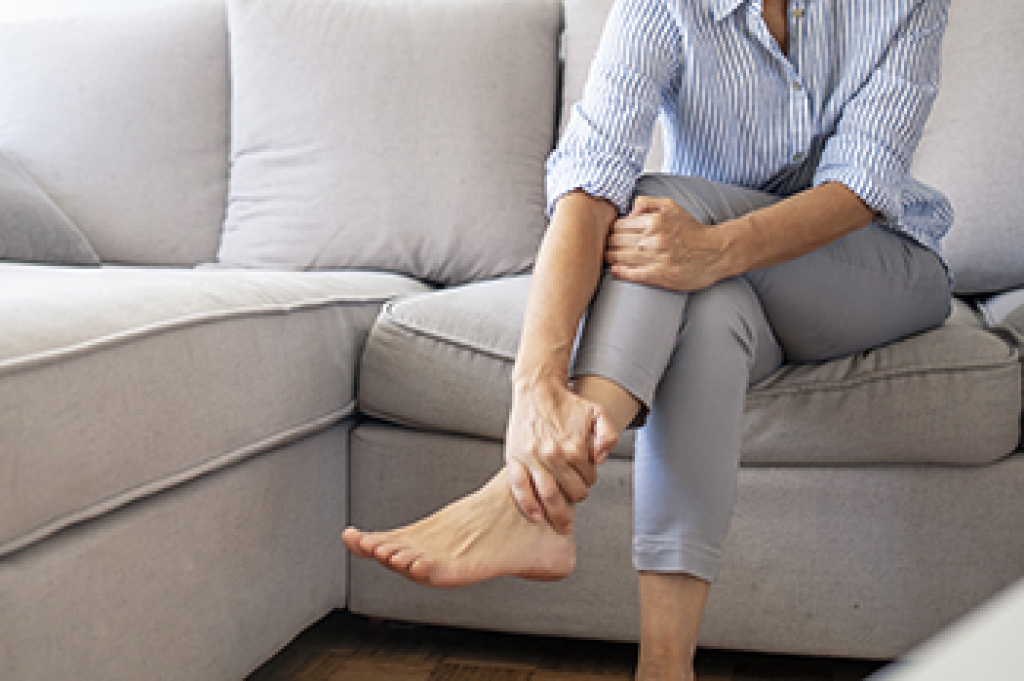
Arthritis can make every step uncomfortable when it affects the joints of the feet or ankles. Years of wear can contribute to joint changes that cause pain and stiffness, but foot pain should not be accepted as a normal part of aging. The big-toe joint is especially vulnerable because it handles significant force with each step. One form of arthritis in this joint is hallux rigidus, which causes increasing pain and stiffness. As movement becomes more limited, walking and other daily activities can become harder.

Foot structure and the way the foot moves can contribute to arthritis in the big toe. The ankle can also develop arthritis, especially after previous sprains or other injuries. An ankle that remains weak or unstable after an injury can face added stress that contributes to joint damage. Fallen arches can create additional problems. Adult-acquired flatfoot develops when a tendon that supports the arch becomes inflamed and stretched. Without proper treatment, this condition can lead to severe foot pain and degenerative arthritis. These problems can affect mobility and make staying active more difficult.

A podiatrist can evaluate painful or stiff joints and determine how arthritis is affecting foot function. An examination can assess joint movement, foot structure, and areas of tenderness. A podiatrist can recommend treatment aimed at reducing pain and supporting more comfortable movement. Care can also address structural problems or instability that places extra stress on arthritic joints. Treatment depends on the affected joint and the severity of the symptoms. Some advanced cases can require surgery to improve function or reduce pain. Early evaluation can help patients understand the source of their symptoms and find appropriate ways to protect mobility. If you have symptoms of foot arthritis, it is suggested that you schedule an appointment with a podiatrist for a diagnosis and appropriate treatment.

Arthritis can be a difficult condition to live with. If you are seeking treatment, contact Sam Price, DPM from Transcend Foot & Ankle. our doctor can provide the care you need to keep you pain-free and on your feet.

Arthritic Foot Care  

Arthritis is a joint disorder that involves the inflammation of different joints in your body, such as those in your feet. Arthritis is often caused by a degenerative joint disease and causes mild to severe pain in all affected areas. In addition to this, swelling and stiffness in the affected joints can also be a common symptom of arthritis.

In many cases, wearing ill-fitting shoes can worsen the effects and pain of arthritis. Wearing shoes that have a lower heel and extra room can help your feet feel more comfortable. In cases of rheumatoid arthritis, the arch in your foot may become problematic. Buying shoes with proper arch support that contour to your feet can help immensely.

Alleviating Arthritic Pain

  • Exercises that stretch the foot can prevent further pain and injury and increase mobility
  • Most of the pain can be alleviated with anti-inflammatory drugs, heat, and topical medications
  • Massages can help temporarily alleviate pain.

It is best to see your doctor for the treatment that is right for your needs and symptoms. Conditions vary, and a podiatrist can help you determine the right method of care for your feet.

If you have any questions please feel free to contact our office located in Boone, NC . We offer the newest diagnostic tools and technology to treat your foot and ankle needs.
Read more about How to Care for Your Arthritic Foot

Cuboid Syndrome and Pain Along the Outer Foot

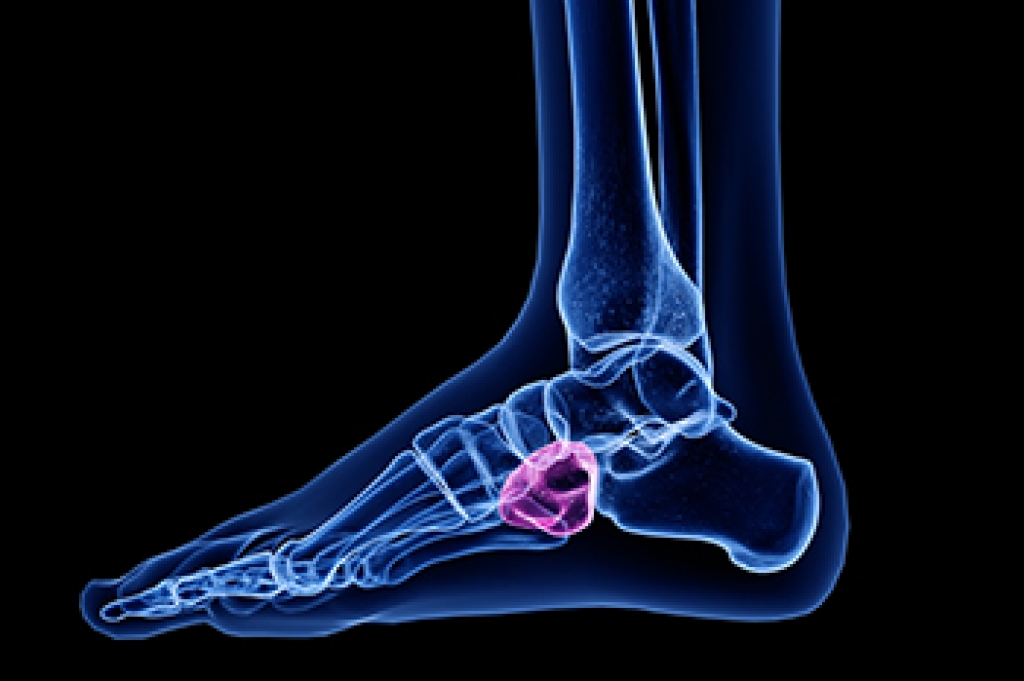
Cuboid syndrome is a possible cause of pain along the outer side of the foot. The cuboid is a small bone located in the middle and outer portion of the foot. It works with nearby joints and tissues to support movement and stability. Cuboid syndrome may occur when this bone and its surrounding joint do not move normally. It can develop after an ankle sprain or from repeated stress placed on the foot. Athletes may be especially affected because running and jumping can place repeated forces on this area. Pain can sometimes be difficult to identify because cuboid syndrome may resemble other causes of lateral foot pain.


Symptoms often include aching or tenderness along the outside of the midfoot. Pain may become more noticeable while standing, walking, or pushing off the foot. Some people develop swelling or experience discomfort that extends toward nearby areas. The condition may also change the way a person walks because placing normal pressure on the foot becomes painful. Cuboid syndrome can occur after an ankle injury, even when the original ankle symptoms begin to improve. There is no single test that confirms every case, so a careful examination is important. Other problems, including fractures and tendon injuries, may need to be ruled out before treatment begins.


A podiatrist can evaluate lateral foot pain and determine whether cuboid syndrome or another condition may be responsible. The examination may include checking foot movement, areas of tenderness, and walking patterns. Imaging may be used when another injury needs to be ruled out. If cuboid syndrome is diagnosed, podiatric treatment can focus on restoring comfortable joint function and addressing factors that place added stress on the foot. Treatment is based on the patient’s symptoms and the cause of the problem. If persistent outer foot pain or difficulty walking is affecting your mobility, it is suggested that you consult a podiatrist for an evaluation and appropriate treatment options.

Cuboid syndrome, also known as cuboid subluxation, occurs when the joints and ligaments near the cuboid bone in the foot become torn. If you have cuboid syndrome, consult with Sam Price, DPM from Transcend Foot & Ankle. our doctor will assess your condition and provide you with quality foot and ankle treatment.

Cuboid syndrome is a common cause of lateral foot pain, which is pain on the outside of the foot. The condition may happen suddenly due to an ankle sprain, or it may develop slowly overtime from repetitive tension through the bone and surrounding structures.

Causes

The most common causes of cuboid syndrome include:

  • Injury – The most common cause of this ailment is an ankle sprain.
  • Repetitive Strain – Tension placed through the peroneus longus muscle from repetitive activities such as jumping and running may cause excessive traction on the bone causing it to sublux.
  • Altered Foot Biomechanics – Most people suffering from cuboid subluxation have flat feet.

Symptoms

A common symptom of cuboid syndrome is pain along the outside of the foot which can be felt in the ankle and toes. This pain may create walking difficulties and may cause those with the condition to walk with a limp.

Diagnosis

Diagnosis of cuboid syndrome is often difficult, and it is often misdiagnosed. X-rays, MRIs and CT scans often fail to properly show the cuboid subluxation. Although there isn’t a specific test used to diagnose cuboid syndrome, your podiatrist will usually check if pain is felt while pressing firmly on the cuboid bone of your foot.

Treatment

Just as the range of causes varies widely, so do treatments. Some more common treatments are ice therapy, rest, exercise, taping, and orthotics.

If you have any questions, please feel free to contact our office located in Boone, NC . We offer the newest diagnostic and treatment technologies for all your foot care needs.

Read more about All About Cuboid Syndrome

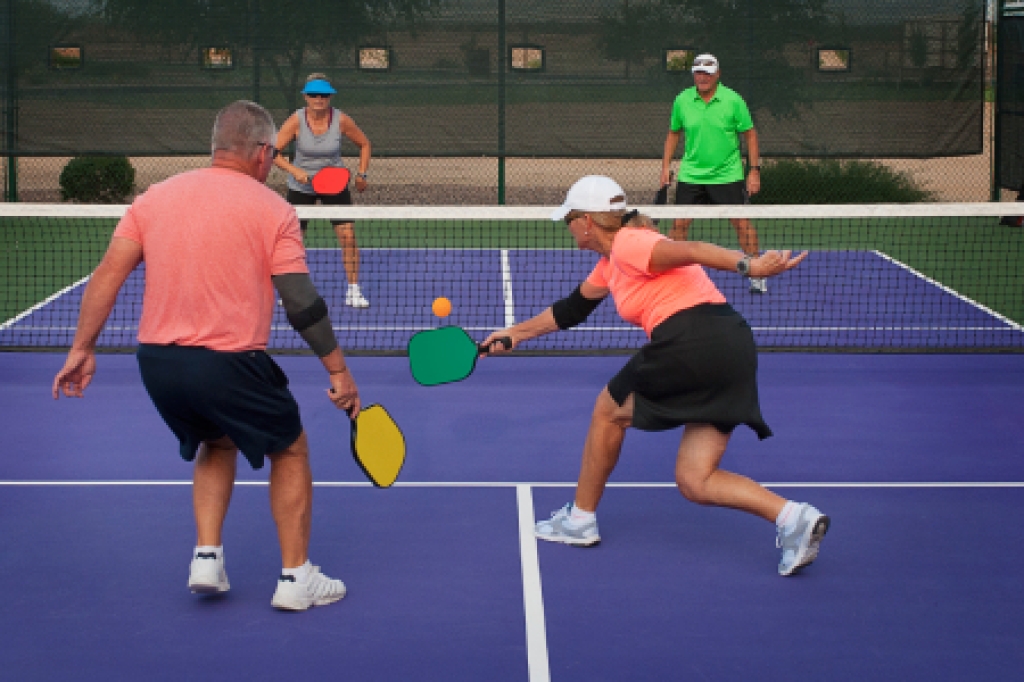
How Pickleball Can Injure the Feet and Ankles

Pickleball combines quick starts, sudden stops, and sharp changes in direction on a hard court. These movements place heavy stress on the feet and ankles. An ankle sprain can occur when the joint rolls and stretches or tears its supporting ligaments. Other injuries related to pickleball include plantar fasciitis, Achilles tendon tears, and stress fractures. Plantar fasciitis causes pain where the thick band beneath the foot becomes irritated. Repeated impact can also lead to heel pain or pain in the ball of the foot. Poor balance, fatigue, and shoes that lack proper support can raise the risk of injury.

Symptoms vary with the injured area and damage. An ankle sprain can cause pain, swelling, and bruising. Achilles tendon trouble can produce stiffness above the heel and pain when pushing off. A stress fracture can cause focused pain that grows worse with activity, while plantar fasciitis usually creates sharp heel pain after rest. Sudden inability to bear weight, a visible change in shape, or a popping sound requires prompt attention. Continuing to play through pain can worsen an injury and change the way a player moves. This can strain the opposite foot and legs.

A podiatrist can examine the painful area, test joint movement, and evaluate foot mechanics. X-rays can reveal broken bones or changes in joint alignment. Other imaging can help identify damage to tendons, ligaments, or soft tissue. Treatment depends on the diagnosis and the demands placed on the foot. A podiatrist can provide immobilization, bracing, or custom orthotics to protect the injured area and improve support. The podiatrist can also recommend court shoes with proper cushioning and side-to-side stability. For serious injuries, the treatment plan can include surgery. Evaluation guides a safe return to pickleball. If you have sustained a foot or ankle injury from playing pickleball, it is suggested that you schedule an appointment with a podiatrist for a diagnosis and appropriate treatment.

Sports related foot and ankle injuries require proper treatment before players can go back to their regular routines. For more information, contact Sam Price, DPM of Transcend Foot & Ankle. our doctor can provide the care you need to keep you pain-free and on your feet.

Sports Related Foot and Ankle Injuries

Foot and ankle injuries are a common occurrence when it comes to athletes of any sport. While many athletes dismiss the initial aches and pains, the truth is that ignoring potential foot and ankle injuries can lead to serious problems. As athletes continue to place pressure and strain the area further, a mild injury can turn into something as serious as a rupture and may lead to a permanent disability. There are many factors that contribute to sports related foot and ankle injuries, which include failure to warm up properly, not providing support or wearing bad footwear. Common injuries and conditions athletes face, including:

  • Plantar Fasciitis
  • Achilles Tendinitis
  • Achilles Tendon Rupture
  • Ankle Sprains

Sports related injuries are commonly treated using the RICE method. This includes rest, applying ice to the injured area, compression and elevating the ankle. More serious sprains and injuries may require surgery, which could include arthroscopic and reconstructive surgery. Rehabilitation and therapy may also be required in order to get any recovering athlete to become fully functional again. Any unusual aches and pains an athlete sustains must be evaluated by a licensed, reputable medical professional.

If you have any questions please contact our office located in Boone, NC . We offer the newest diagnostic and treatment technologies for all your foot and ankle needs.

Read more about Sports Related Foot and Ankle Injuries

How Flat Feet Develop From Childhood to Adulthood

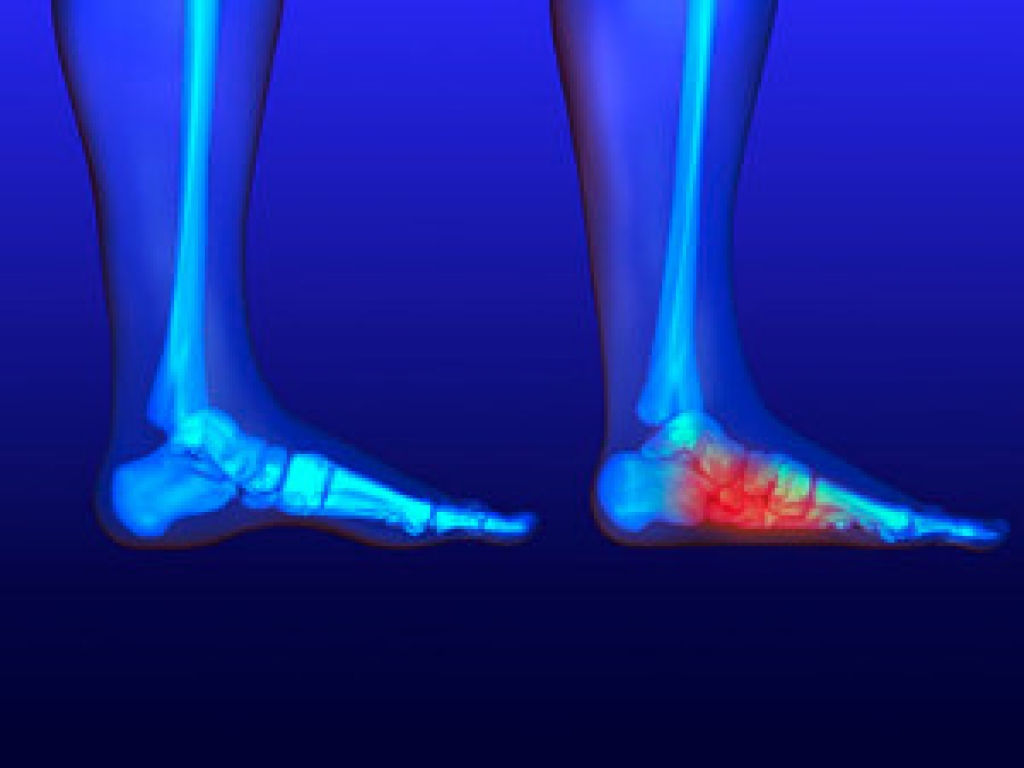
Flat feet, also known as fallen arches, occur when the arches of the feet fail to develop properly or gradually collapse over time. In many cases, flat feet in adults originate as a structural pattern present during childhood. While some children naturally outgrow flexible flat feet as their arches form, others continue to have low or absent arches into adulthood. Without proper support or early intervention, this condition can affect body alignment, balance, and overall foot function.

Common symptoms of flat feet include pain in the arch or heel, along with swelling along the inside of the ankle. Some individuals may experience discomfort during prolonged standing or walking, while others notice uneven wear on their shoes. As the condition progresses, the lack of arch support can place increased strain on the ankles, knees, and lower back, potentially leading to additional musculoskeletal issues. Identifying these symptoms early can help reduce complications and improve long-term mobility.

The causes of flat feet often involve a combination of genetic factors, ligament laxity, and improper foot development during childhood. When the arches do not form correctly, the feet may remain overly flexible and collapse under body weight. In adults, flat feet can worsen due to tendon weakness, injury, aging, or prolonged stress on the feet. Early intervention with supportive measures, such as custom orthotics or properly fitted footwear, can help promote better alignment and reduce strain on the foot structure.

Risk factors include a family history of flat feet, occupations that involve long periods of standing, and repetitive physical activity. Wearing unsupportive shoes can further contribute to arch collapse and discomfort. Preventive care and early evaluation are especially important for children showing signs of flat feet. If you or your child have flat feet, it is suggested that you consult a podiatrist who can guide you toward effective management strategies.

Flatfoot is a condition many people suffer from. If you have flat feet, contact Sam Price, DPM from Transcend Foot & Ankle. our doctor will treat your foot and ankle needs.

What Are Flat Feet?

Flatfoot is a condition in which the arch of the foot is depressed and the sole of the foot is almost completely in contact with the ground. About 20-30% of the population generally has flat feet because their arches never formed during growth.

Conditions & Problems:

Having flat feet makes it difficult to run or walk because of the stress placed on the ankles.

Alignment – The general alignment of your legs can be disrupted, because the ankles move inward which can cause major discomfort.

Knees – If you have complications with your knees, flat feet can be a contributor to arthritis in that area.  

Symptoms

  • Pain around the heel or arch area
  • Trouble standing on the tip toe
  • Swelling around the inside of the ankle
  • Flat look to one or both feet
  • Having your shoes feel uneven when worn

Treatment

If you are experiencing pain and stress on the foot you may weaken the posterior tibial tendon, which runs around the inside of the ankle. 

If you have any questions, please feel free to contact our office located in Boone, NC . We offer the newest diagnostic and treatment technologies for all your foot care needs.

Read more about Flat Feet

How Foot Biomechanics Effects Every Step

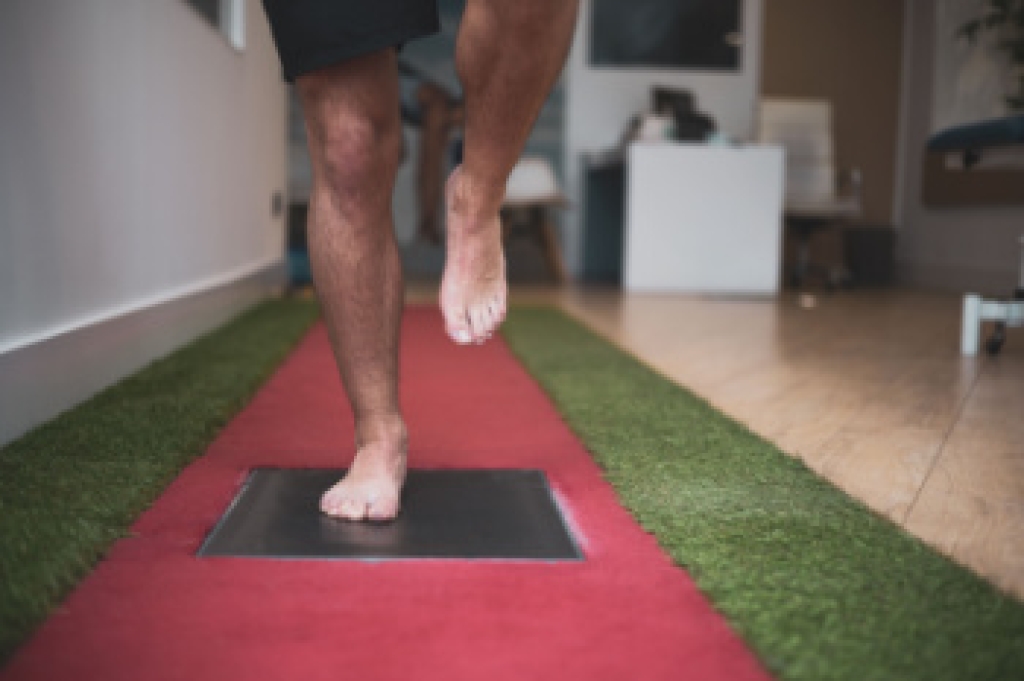
Foot biomechanics refers to how the bones, muscles, and other structures of the feet work together during movement. Each step requires the foot to support body weight, absorb force, and help move the body forward. The position and movement of the feet can also influence the ankles, knees, and other areas involved in walking. When foot mechanics are working efficiently, pressure is distributed across the foot as the body moves. Differences in foot structure or movement patterns, however, may change where that pressure is placed. These changes can contribute to discomfort or make certain activities more difficult.


Problems with foot biomechanics can affect people in different ways. Some individuals may place more pressure on the inside or outside of the foot while walking. Others may have changes in their arches or joint movement that affect how the foot handles weight. These patterns may contribute to foot pain, heel discomfort, or ankle problems. Altered foot mechanics can also influence balance and the way a person walks. Since many factors can affect movement, pain does not always come from the area where the original problem began. A professional biomechanical assessment can provide a clearer picture of how the feet function during standing and walking.


A podiatrist can evaluate foot biomechanics by examining foot structure, joint movement, and walking patterns. This assessment can help identify areas of unusual pressure or movement that may be contributing to pain. Depending on the findings, podiatric care may include custom orthotics, footwear recommendations, or other treatments designed to improve support and function. Treatment is based on each patient’s foot structure, symptoms, and activity needs. Addressing biomechanical problems may help improve comfort and reduce stress on the feet during movement. If foot pain or changes in your walking pattern are affecting your mobility, it is suggested that you consult a podiatrist for an evaluation and appropriate treatment options.

If you have any concerns about your feet, contact Sam Price, DPM from Transcend Foot & Ankle. our doctor can provide the care you need to keep you pain-free and on your feet.

Biomechanics in Podiatry

Podiatric biomechanics is a particular sector of specialty podiatry with licensed practitioners who are trained to diagnose and treat conditions affecting the foot, ankle and lower leg. Biomechanics deals with the forces that act against the body, causing an interference with the biological structures. It focuses on the movement of the ankle, the foot and the forces that interact with them.

A History of Biomechanics

  • Biomechanics dates back to the BC era in Egypt where evidence of professional foot care has been recorded.
  • In 1974, biomechanics gained a higher profile from the studies of Merton Root, who claimed that by changing or controlling the forces between the ankle and the foot, corrections or conditions could be implemented to gain strength and coordination in the area.

Modern technological improvements are based on past theories and therapeutic processes that provide a better understanding of podiatric concepts for biomechanics. Computers can provide accurate information about the forces and patterns of the feet and lower legs.

Understanding biomechanics of the feet can help improve and eliminate pain, stopping further stress to the foot.

If you have any questions please feel free to contact our office located in Boone, NC . We offer the newest diagnostic and treatment technologies for all your foot and ankle needs.

Read more about The Importance of Biomechanics in Podiatry
scroll to top